How Language Learning Apps Can Help You Speak a New Tongue
Learning a new language used to mean sitting in a classroom for hours. You had to buy expensive books and listen to long lectures. But things have changed. Today, you can learn Spanish, French, or even Japanese right from your phone. This is possible because of language learning apps.
These apps are tools you download onto your smartphone or tablet. They turn learning into a game. They make it easy to practice whenever you have a few free minutes. Whether you want to get a better job, travel to a new country, or just talk to new neighbors, these apps can help.
In this article, we will explain exactly what language learning apps are. We will look at why they are good for you and how they actually teach you. We will also share some popular examples and give you tips on how to pick the best one for your needs.
What Are Language Learning Apps?
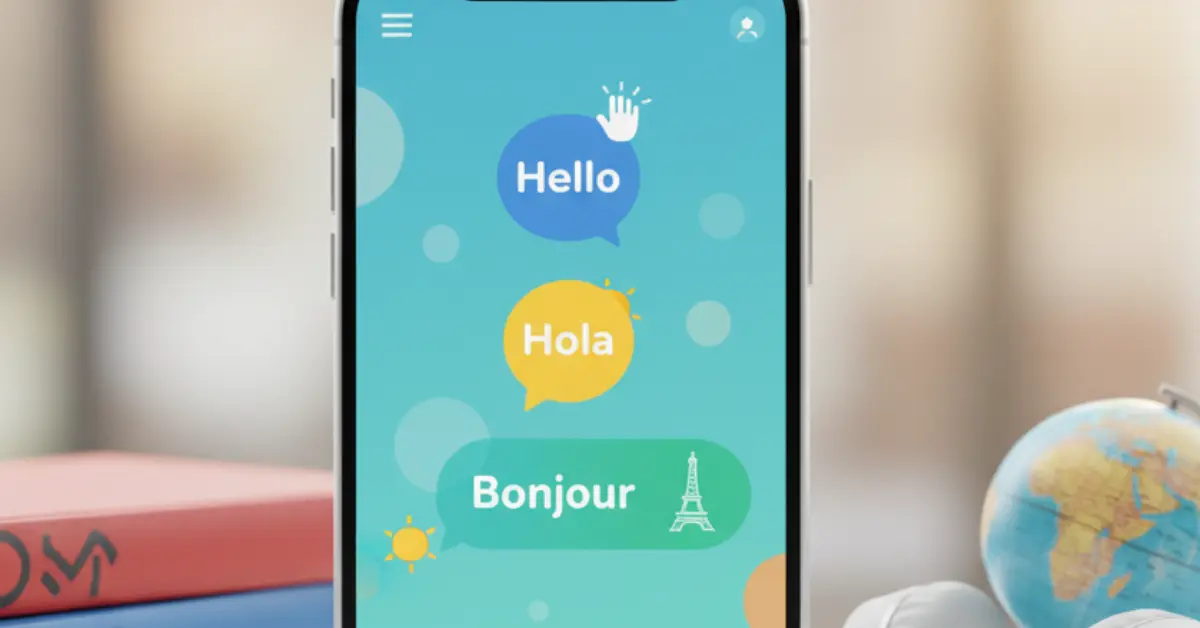
Think of a language learning app as a pocket-sized teacher. It is a program on your phone that helps you study words and grammar. Unlike a real teacher, the app never gets tired. It is ready to help you learn at 2:00 in the morning or during your lunch break.
Most of these apps use pictures, sounds, and text to teach you. You might see a picture of an apple and hear the word “manzana” (which is apple in Spanish). Then, the app might ask you to type the word or speak it into your phone’s microphone.
The main goal of language learning apps is to make learning fun and easy. They break big lessons into small pieces. This way, you don’t feel overwhelmed. You can learn one new word a day or spend an hour studying. It is all up to you.
Why Should You Use Language Learning Apps?
There are many good reasons to use these tools. They are popular because they solve many problems people have with traditional schools. Here are the biggest benefits.
1. They Are Very Convenient
The best thing about language learning apps is that you can use them anywhere. You can practice while waiting for the bus. You can do a quick lesson while waiting for your coffee to brew. You do not need to drive to a school or carry heavy books. If you have your phone, you have your classroom.
2. They Are Often Cheap or Free
Going to a language class can cost a lot of money. Private tutors are even more expensive. Many language learning apps are free to download. They might have a paid version with extra features, but the free version is often enough to get started. This makes learning accessible to everyone, no matter how much money they have.
3. They Let You Learn at Your Own Speed
In a classroom, the teacher has to move at a certain pace. If you are slow to understand something, the class might move on without you. If you learn fast, you might get bored waiting for others. With an app, you control the speed. You can repeat a lesson five times if you need to. Or, you can skip ahead if you already know the material.
4. They Make Learning Fun
Most apps use “gamification.” This is a fancy word that means turning work into a game. When you finish a lesson, you might get points or a gold star. If you practice every day, you might get a “streak” reward. These little prizes make you want to keep playing. It feels less like studying and more like beating a level in a video game.
How Do These Apps Work?
You might wonder how a phone can teach you to speak. Language learning apps use several smart methods to help your brain remember new words.
Repetition is Key
Have you ever forgotten a person’s name right after meeting them? That happens because you didn’t repeat it. These apps use something called “Spaced Repetition.”
This means the app shows you a word, and then waits a bit before showing it again. If you get it right, the app waits longer next time. If you get it wrong, the app shows it to you sooner. This system helps move the new words from your short-term memory to your long-term memory.
Mixing Pictures and Sounds
We all learn differently. Some people learn by seeing, others by listening. Language learning apps mix everything together. You will:
- See the word written down.
- See a picture of what the word means.
- Hear a native speaker say the word.
- Speak the word yourself.
- By using your eyes, ears, and mouth, your brain builds stronger connections to the new language.
Short Lessons
Experts know that people get tired if they study too long. That is why language learning apps usually have very short lessons. A typical lesson might only take 5 or 10 minutes. This is called “micro-learning.” It is much easier to focus for 10 minutes than for an hour. This helps you stay fresh and keep learning every day.
Popular Language Learning Apps You Can Try
There are hundreds of apps out there. It can be hard to know which one to pick. Here are a few of the most famous language learning apps that are easy for beginners to use.
Duolingo
Duolingo is very famous because of its green owl mascot. It is completely free to use. The lessons feel like games. You match words, translate sentences, and speak into your phone. It is very colorful and easy to understand. It is great for keeping you motivated with points and leaderboards.
Babbel
Babbel is a little more serious than Duolingo. It focuses on conversation skills. It teaches you phrases you would actually use in real life, like how to order food or ask for directions. You usually have to pay a monthly fee to use Babbel, but many people think it is worth it because the lessons are very high quality.
Rosetta Stone
You may have heard of Rosetta Stone before apps existed. They used to sell CD-ROMs for computers. Now, they have an app. Their method is “immersion.” This means they do not use your native language to explain things. They only use pictures and the new language. It forces your brain to figure things out, just like a baby learns to speak.
Memrise
Memrise uses videos of real people speaking. This helps you hear how the language sounds in real life, not just how a computer voice sounds. It is very good for learning vocabulary and slang words. It feels like you are learning from locals.
How to Choose the Right App for You
With so many choices, how do you pick the best one? Not all language learning apps are the same. Here are some questions to ask yourself before you download one.
What is Your Goal?
Why do you want to learn?
- For Travel: If you are going on a trip soon, you need an app that teaches practical phrases quickly. Apps like Babbel are good for this.
- For Fun: If you just want to exercise your brain, a game-like app like Duolingo is perfect.
- For a Job: If you need to be fluent for work, you might need a more serious app or even an online tutor app like iTalki or Preply.
How Do You Like to Learn?
Think about how you learned best in school.
- Visual Learner: Do you like pictures? Look for apps with lots of images like Rosetta Stone.
- Audio Learner: Do you like listening? Look for apps like Pimsleur that focus almost entirely on listening and speaking.
- Social Learner: Do you like talking to people? Look for apps that connect you with real teachers or other learners like HelloTalk.
What is Your Budget?
Decide if you want to pay money.
- Free: There are great free options, but they often have ads.
- Subscription: Paid apps usually have no ads and offer more lessons. They usually cost between $5 and $15 a month. Most paid apps offer a free trial. You can try them for a week to see if you like them before you pay.
Tips for Success with Language Learning Apps
Downloading the app is just the first step. To actually learn the language, you have to use it correctly. Here are some simple tips to help you succeed
Be Consistent
It is better to practice for 10 minutes every day than for two hours once a week. Your brain needs daily reminders to keep the new words. Make it a habit. Try to do one lesson every morning with your breakfast.
Don’t Be Afraid to Speak
Many people feel silly speaking to their phone. Do not worry about it! Find a quiet place and practice saying the words out loud. Moving your mouth and hearing your own voice is crucial. If you only read silently, you will have trouble speaking when you meet a real person.
Use Headphones
When you use language learning apps, try to wear headphones. This helps you hear the small sounds and accents clearly. It also blocks out noise around you so you can focus better.
Don’t rely Only on the App
Apps are great, but they can’t do everything. Try to mix in other things. Listen to music in the new language. Watch a movie with subtitles. Try to read a children’s book in that language. The more you see the language in the real world, the faster you will learn.
Set Realistic Goals
Do not expect to be fluent in one month. Learning a language takes time. Set small goals first. For example, “I want to learn 50 food words this month.” When you reach that goal, you will feel proud and want to keep going.
Common Myths About Language Apps
Some people think apps are magic. Others think they are useless. Let’s look at the truth behind some common myths.
Myth 1: “An app will make me fluent instantly.”
Truth: No app can make you perfectly fluent on its own. Fluency means you can talk easily about complex topics. An app is a starter tool. It builds your foundation. To become truly fluent, you eventually need to talk to real humans.
Myth 2: “I am too old to learn a new language.”
Truth: You are never too old! While children learn fast, adults can learn too. Language learning apps are actually great for older adults because they exercise the brain. It is like a workout for your mind that can keep you sharp.
Myth 3: “I need to be smart to learn a language.”
Truth: You do not need to be a genius. You just need patience. Everyone learns to speak their native language, right? That proves your brain can do it. You just need to practice a little bit every day.
Challenges You Might Face
Using language learning apps isn’t always easy. You might run into some bumps in the road.
- Boredom: Doing the same thing every day can get boring. If you get bored, try a different app or watch a video in that language instead.
- Frustration: Sometimes grammar is hard. You might not understand why a sentence is built a certain way. If you get stuck, don’t quit. Look for a simple explanation online or ask a friend.
- Lack of Speaking Practice: Apps are great for vocabulary, but they can’t have a real conversation with you. This is the biggest weakness of apps. Try to find a friend who speaks the language, or join a language club to practice talking.
The Future of Learning
Technology is getting better every year. In the future, language learning apps will be even smarter.
We are starting to see apps that use Virtual Reality (VR). Imagine putting on a headset and feeling like you are standing in a cafe in Paris. You could look around and order coffee from a virtual waiter. This makes learning feel very real.
We also see better Artificial Intelligence (AI). AI can listen to your voice and tell you exactly how to fix your pronunciation. It can act like a chat partner that never judges you for making mistakes. These tools will make learning faster and easier for everyone.
Conclusion
Learning a new language opens up a big world. It lets you make new friends, understand different cultures, and maybe even get a better job. Language learning apps are the key to opening that door. They are cheap, easy to use, and always ready when you are.
Remember, the best app is the one you actually use. It does not matter if it is the most expensive or the most popular. It matters that you open it every day. Start small. Do just five minutes today. Then do five minutes tomorrow. Before you know it, you will be speaking words you never knew before.
So, go to your phone’s app store. Search for a language you have always wanted to learn. Download an app and give it a try. You have nothing to lose, and a whole new world of words to gain.
Actionable Next Steps
- Pick one language you really want to learn. Don’t try to learn two at once.
- Download two different free apps (like Duolingo and Memrise).
- Try both for one week. See which style you like better.
- Set a daily alarm on your phone for 10 minutes to remind you to practice.
- Start your first lesson today!